Introduction Herbal supplements are becoming popular among people who want to take care of their health naturally. These products are made from plants, herbs, roots, leaves, and fl
Introduction
Herbal supplements are becoming popular among people who want to take care of their health naturally. These products are made from plants, herbs, roots, leaves, and flowers.
Herbal supplements are available in different forms, such as capsules, powders, teas, and liquids. Many people use them as part of their daily health routine.
However, it is important to remember that natural products are not always safe for everyone. Before using any herbal supplement, it is good to learn about its ingredients, uses, and possible side effects.
In this blog, we will discuss herbal supplements, their common uses, possible benefits, and important things to know before using them.
What Are Herbal Supplements?
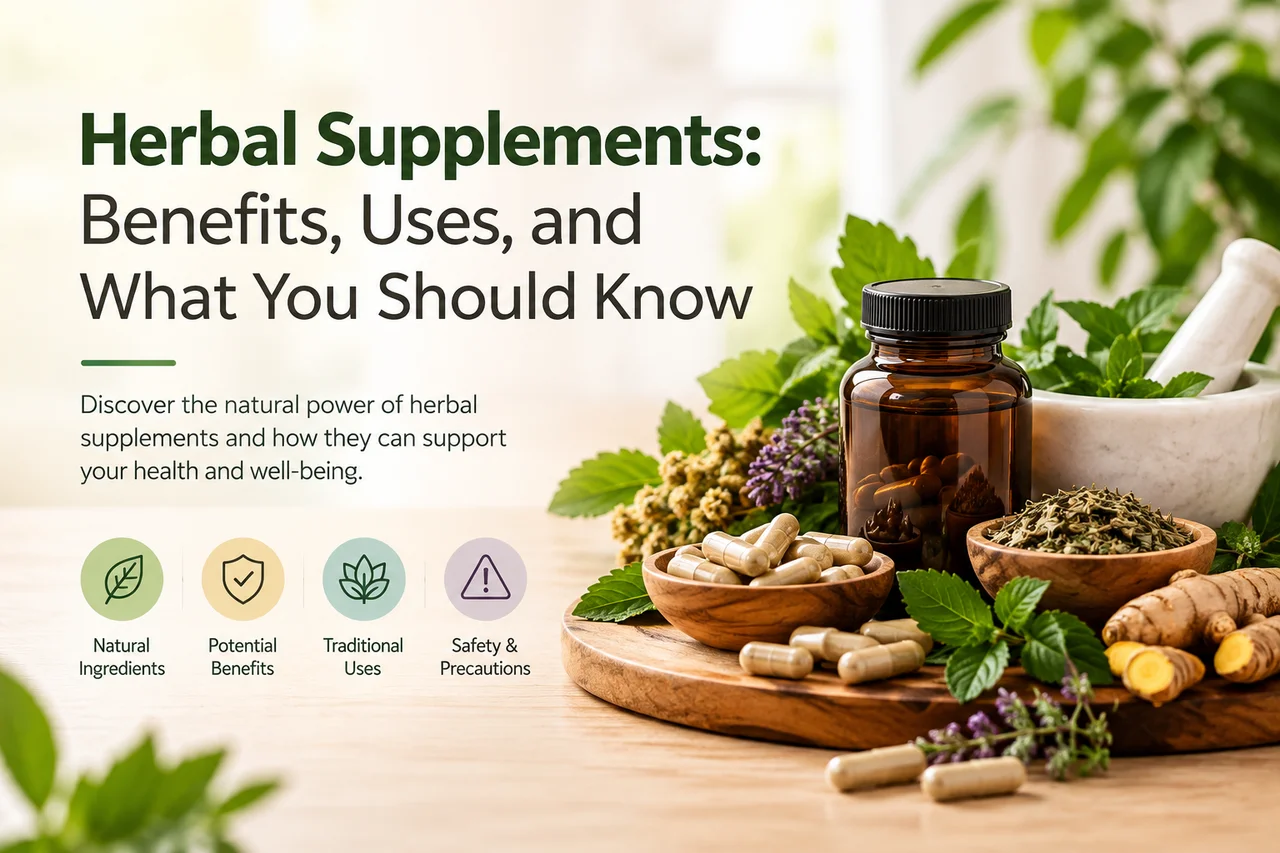
Herbal supplements are products made from plants. People use them to support their general health and wellness.
They can be made from different parts of plants, including leaves, roots, flowers, and seeds.
Herbal supplements are available in different forms:
Capsules and tablets
Herbal powders
Herbal teas
Liquid extracts
Herbal mixtures
Different herbs have different uses. Some are traditionally used for relaxation, while others are used to support digestion or as part of a healthy diet.
Benefits of Herbal Supplements
Herbal supplements are used for different health and wellness purposes. Their effects can vary from person to person.
1. May Help with Relaxation
Some herbs, such as chamomile and valerian root, are traditionally used to help people relax.
People often include herbal teas in their bedtime routine. A relaxing routine, regular sleep, and less caffeine in the evening may also help improve sleep habits.
However, herbal products do not work the same way for everyone.
2. Provide Plant-Based Nutrients
Some herbal products contain natural plant compounds.
These compounds are studied for their possible role in supporting health. However, taking an herbal supplement does not mean that a person will automatically become healthier.
Eating fruits, vegetables, and other healthy foods is still an important part of a balanced diet.
3. May Support Digestive Comfort
Some herbs, such as ginger and peppermint, are traditionally used for digestive comfort.
People may use them in food, tea, or other herbal preparations.
The effects depend on the herb and how it is used. If you regularly experience stomach pain or other digestive problems, it is important to speak with a healthcare professional.
4. Can Be Part of a Wellness Routine
Many people include herbal products in their daily wellness routine.
However, supplements should not replace healthy eating, exercise, proper sleep, or medical treatment.
A healthy lifestyle includes several habits that work together to support overall well-being.
Common Types of Herbal Supplements
There are many types of herbal supplements. Here are some popular examples.
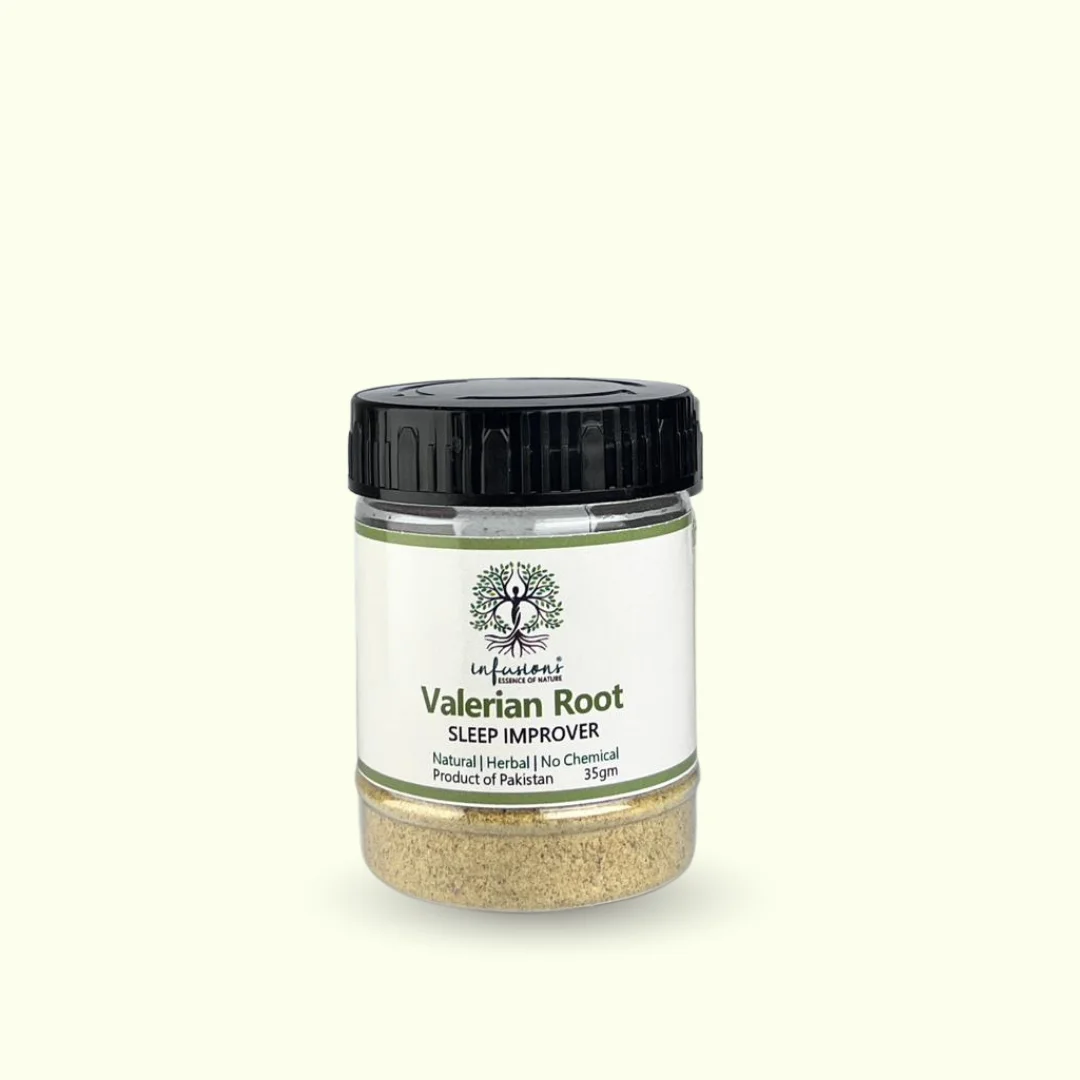
1. Valerian Root
Valerian root is a herb traditionally used for relaxation and sleep.
Some people use it as part of their bedtime routine. However, research on its effects on sleep has shown mixed results.
2. Shatavari
Shatavari is a plant used in traditional Ayurvedic practices.
It is often included in herbal wellness products. More research is needed to fully understand its possible benefits and safety.
3. Ginger
Ginger is a common ingredient used in cooking and traditional remedies.
It is often consumed in tea, food, or other preparations. Some research suggests that certain ginger products may help with nausea.
4. Chamomile
Chamomile is a popular herb used in herbal tea.
Many people enjoy it as part of a relaxing evening routine. However, it should not be considered a guaranteed treatment for sleep problems.
5. Moringa
Moringa is a plant whose leaves are used in food and supplements.
It contains different nutrients and natural plant compounds. It is also used in powders and other herbal products.
How to Choose the Right Herbal Supplement
Choosing an herbal supplement requires some care. Here are a few simple things to check before buying one.
Check the Ingredients
Always read the product label. Make sure you understand what ingredients are included in the supplement.
Understand Its Purpose
Different herbal supplements are used for different reasons. Learn about the product before adding it to your daily routine.
Check Product Quality
Choose products from trusted sellers and manufacturers. Look for clear information about ingredients, expiry dates, and product quality.
Follow the Instructions
Always follow the instructions written on the product label. Taking more than the suggested amount does not mean you will get better results.
Are Herbal Supplements Safe?
Herbal supplements may not be suitable for everyone. Some products can cause side effects or interact with medicines.
People should be especially careful if they:
Are pregnant or breastfeeding
Have an existing health condition
Take regular medicines
Are buying supplements for children
If you are taking medicine or have a health condition, speak with a healthcare professional before using an herbal supplement.
Natural products can still cause unwanted reactions, so it is important to use them carefully.
Common Myths About Herbal Supplements
Many people believe things about herbal supplements that are not always true.
Myth 1: Natural products are always safe.
Fact: Natural ingredients can still cause side effects or interact with medicines.
Myth 2: Herbal supplements work for everyone.
Fact: Different people may have different experiences, and benefits are not guaranteed.
Myth 3: Taking more supplements gives better results.
Fact: Taking too much may increase the risk of side effects.
Myth 4: Supplements can replace healthy food.
Fact: Herbal supplements are not a replacement for a balanced diet.
Myth 5: All herbal products are scientifically proven.
Fact: Some herbs have been studied more than others, and many products need more research.
How to Make Herbal Supplements Part of a Healthy Lifestyle
Herbal supplements should only be one part of a healthy lifestyle.
Here are some simple habits that can help support your overall health:
Eat a balanced diet with fruits and vegetables.
Drink enough water throughout the day.
Stay physically active.
Get enough sleep every night.
Take time to relax and manage stress.
Learn about supplements before using them.
Following healthy daily habits is important for maintaining overall well-being.
Frequently Asked Questions
1. What are herbal supplements used for?
Herbal supplements are used for different wellness purposes, such as relaxation, digestive comfort, and adding plant-based ingredients to the diet.
2. Can I take herbal supplements every day?
It depends on the specific product and your health needs. Always read the instructions and ask a healthcare professional if you are unsure.
3. Are herbal supplements suitable for everyone?
No. Some supplements may not be suitable for children, pregnant or breastfeeding individuals, or people who take certain medicines.
4. How long do herbal supplements take to work?
There is no fixed time. Different products may have different effects, and some may not provide noticeable benefits.
5. Can herbal supplements replace medicines?
No. Do not stop or replace prescribed medicines with herbal supplements without speaking with your healthcare professional.
Conclusion
Herbal supplements are made from plants and are available in many different forms, including capsules, powders, and teas. People use them for different wellness purposes, but their effects can vary.
Before choosing a supplement, it is important to understand its ingredients, read the product label, and learn about possible side effects.
Remember that natural does not always mean safe. Herbal supplements should be used carefully and should not replace a healthy diet or medical treatment.
By making informed choices and following healthy daily habits, you can take better care of your overall well-being.